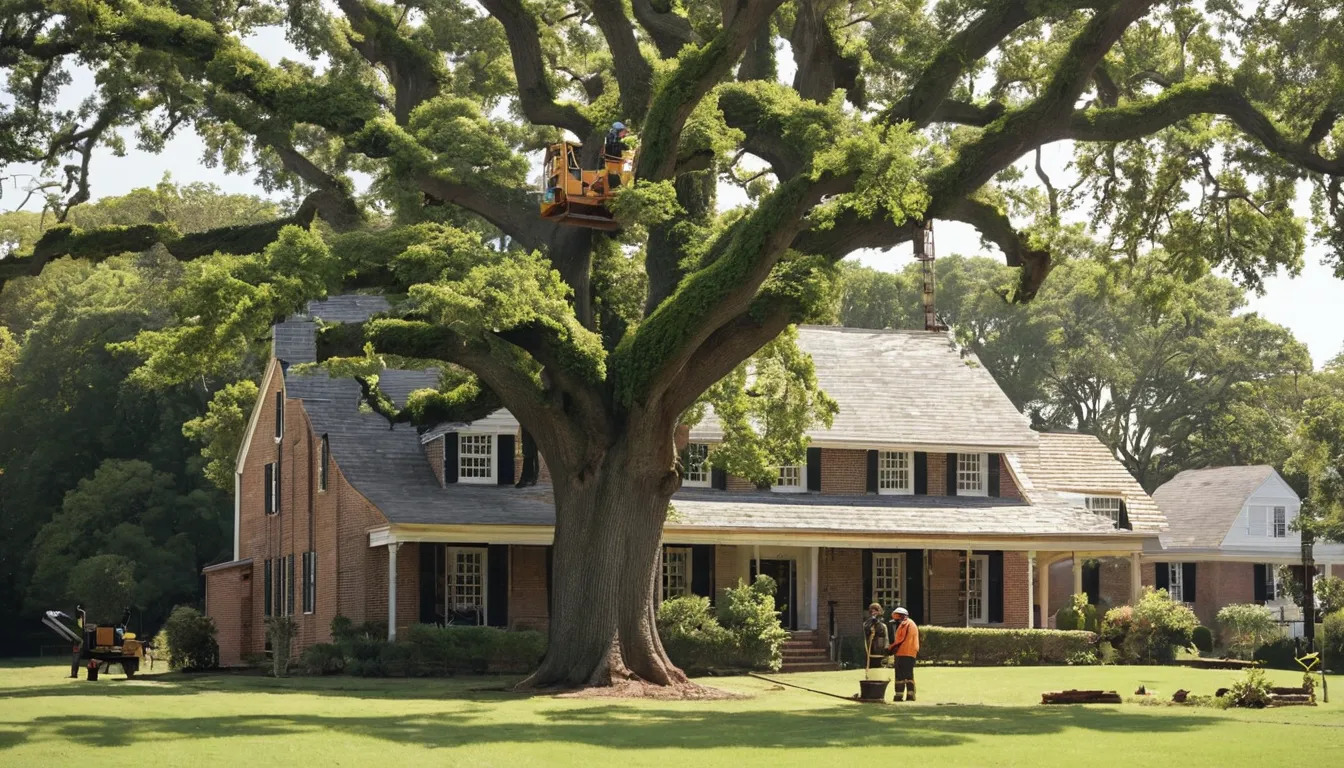
Home tree removal means a provider takes down a tree that is dead, leaning, diseased or too close to your house. Some jobs are simple. Others involve tight yards, power lines or roots near old pipes. The right plan depends on what is under and around the tree.
Nyssafetycouncil Tree Service is a referral service. We do not cut trees. We match your request with an independent local provider in our network, and that provider does the work. Older homes get extra attention here. Aging foundations, past repairs and buried lines can turn a simple job into a tricky one. Tell the provider about them up front.
Need a tree removed? Start here
Request an estimate first. Then compare what you get.
A provider in our network can look at the tree, explain the plan and name a price. Nyssafetycouncil Tree Service does not do the work. We connect you with independent local providers who do.
Look up, act early
Small signs show up before big problems. Watch for these:
- Dead branches at the top of the crown
- Mushrooms or soft rot near the base
- Cracks or splits in the trunk
- A lean that is new or getting worse
- Roots lifting soil, walks or the driveway
- Bark peeling off in large patches
One sign is a reason to ask. Two or three is a reason to ask soon.
When a tree is urgent
Some trees cannot wait. A hanging limb over the roof is urgent. So is a trunk that split in the last storm or a tree leaning toward the house.
Humid summers and nor'easters test weak trees hard. Wet soil lets roots slip. Heavy wind does the rest. If a storm leaves a tree down or half down, ask a provider about storm tree clearance. Keep everyone away from the tree and from any wires.
Request a callback to check provider availability. Many providers can respond quickly to risky trees, but hours vary.
Old house, extra care
Older homes need a slower look. Walls, roofs and foundations have aged. A falling limb does more damage to a worn roof. A heavy trunk can crack an old porch.
Tell the provider your home's age. Mention any past repairs. They may choose a different cutting plan because of it.
Roots, pipes and foundations
Old roots and old pipes often share the same soil. Cast-iron and galvanized lines can be brittle. Roots can crack them or wrap around them.
If you have had slow drains, wet spots in the yard or basement seepage, say so. Winter ice cycles also shift soil near foundations. A good provider will think about what lies under the ground, not only what stands above it.
Surprises behind the bark
Old trees hide things. Hollow trunks. Rot inside. Wire or fencing grown into the wood. Even old nails.
Some trees look fine and are not. Others look rough and are sound. A provider can check before cutting and tell you which it is.
How tree removal works
The steps are simple. The provider visits, looks at the tree and the yard, and gives a written quote. You pick a date. The crew sets up, cuts the tree in sections or drops it whole if there is room, and hauls the wood or leaves it as agreed.
Tight lots, common with colonial and split-level homes and rowhouses, usually mean sectional cuts. Pieces are lowered by rope. That takes more time but protects the roof and fence.
Climbing, lifts and cranes
Three tools handle most jobs. Climbers reach trees that machines cannot. Bucket lifts help where the ground is firm and open. Cranes lift big sections over a house.
Cranes cost more. They can also be the safer pick for a large tree close to an old roof.
What changes the price
Size is the big factor. Taller and wider trees cost more. So do trees near wires, buildings or fences.
Access matters too. A back yard with no gate adds labor. Dead or rotting wood can add risk. Haul-away and stump work are often priced on their own line. Get all of it in writing.
Permits and local rules
Some towns require a permit for certain trees. Rules often cover size, species, protected trees or trees in the street right-of-way. Historic districts may add limits.
Check with your local office before work starts. Ask the provider what they handle and what stays with you.
Choosing a provider
Do not choose on price alone. Ask:
- Is the quote in writing, with the scope spelled out?
- Does the provider carry insurance? Ask to see proof.
- Who handles haul-away and cleanup?
- How will they protect the roof, lawn and pipes?
Request, then compare. Two or three quotes tell you a lot.
Getting ready for removal day
Move cars out of the driveway. Clear patio furniture and toys from the work zone. Tell neighbors if a lift or crane will block the street.
Point out sprinkler lines, septic covers and buried pipes. For an older home, share any known repair spots. Keep kids and pets indoors while the crew works.
After the tree comes down
Walk the yard with the provider. Check the roof, gutters and fence. Make sure debris is gone or stacked as agreed.
If the tree damaged your home, some policies may cover sudden damage. Check your policy. Providers can often help document damage for a claim.
Stump or no stump?
The stump stays unless you ask for it to go. Many homeowners add grinding to the quote. Decide early so the price is clear.
Ready to compare?
Start with the form. Add the tree's size, its location and any old-house details. You will get a clearer quote.
What's Included
Tree Assessment
A provider checks the trunk, roots, lean and nearby structures before naming a plan and a written price.
Safe Takedown
Sectional cutting, ropes or lifts protect old roofs, fences and buried lines in tight yards.
Debris Hauling
Limbs and logs can be chipped, stacked or hauled away. Confirm the choice in your quote.
Yard Cleanup
Providers rake and clear the work zone, so your lawn and driveway are usable again.
Typical Removal Costs
Prices vary by tree size, access, condition and location. These are typical U.S. ranges, not quotes. Ask for a written estimate that lists exactly what is and is not included.
| Item | Typical range | Notes |
|---|---|---|
| Small tree (under 30 ft) | $150 – $800 | Easy access keeps the price low |
| Medium tree (30–60 ft) | $600 – $1,800 | Size and lean change the plan |
| Large tree (over 60 ft) | $1,500 – $4,500 | Often needs a lift or crane |
| Crane or lift add-on | $500 – $2,000 | For tight lots and old roofs |
| Haul-away and cleanup | $100 – $600 | Sometimes bundled into the quote |
| Stump grinding add-on | $100 – $600 | Priced by stump width |
How It Works
Send Your Request
Share the tree's size, location and any warning signs, plus anything about your home's age.
Get matched with a provider
We connect you with an independent local provider from our network.
Review the quote
Compare written estimates. Check scope, insurance, cleanup and any stump work.
Schedule the removal
Pick a date with the provider. Prep the yard and keep the work zone clear.
Why Call Nyssafetycouncil Tree Service
Plain Process
Request an estimate, compare providers and choose. You stay in charge from start to finish.
Local Providers
Independent providers in our network know local soil, weather and housing styles.
Old-House Focus
Tell us your home's age and repairs. That detail helps providers plan the work.
Honest Referral
Nyssafetycouncil Tree Service connects you. The provider does the work and gives the quote.
Other Services
Need home tree removal in La Plata?
- Request an estimate in a few minutes
- Providers plan around older homes
- Stump grinding and storm cleanup
- No obligation
Home Tree Removal FAQ
How do I know if a tree needs to be removed?
Look for dead branches, a new lean, trunk cracks, mushrooms at the base or lifted roots. One sign is worth a check. Several signs, or a tree near your house, call for a provider's opinion soon.
Do I need a permit to remove a tree at my house?
It depends on your town. Some places require permits for large, protected or street-side trees, and historic areas may add limits. Check with your local office, and ask the provider what they handle.
Will my insurance pay for tree removal?
Sometimes. Some policies may cover sudden damage, such as a tree falling on the house in a storm. Routine removal usually is not covered. Check your policy, and ask the provider to help document damage.
Tell us what happened
Send a request through the estimate form or email contact@nyssafetycouncil.shop. Describe the tree and your home. A local provider in our network follows up.
No obligation